
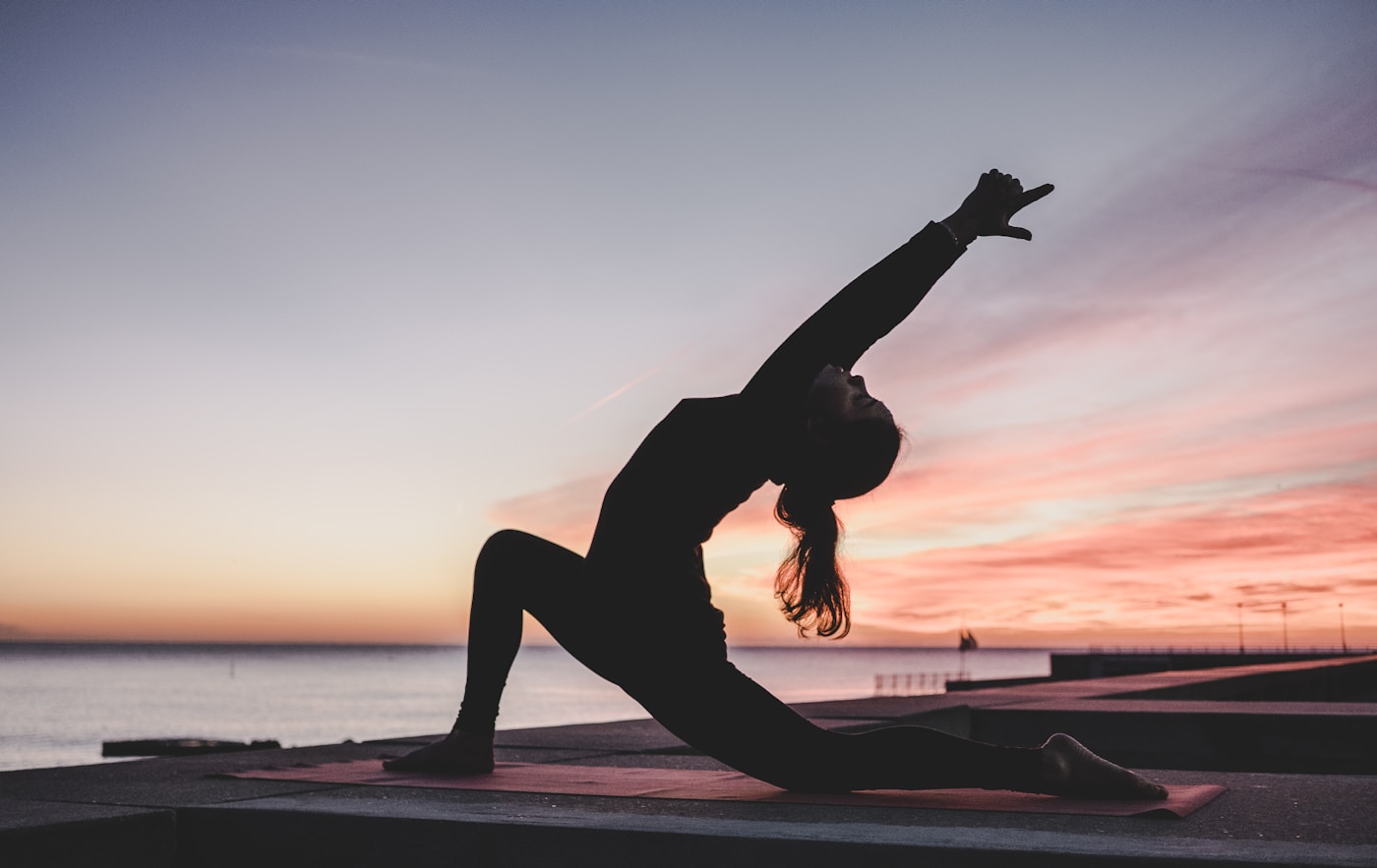
Yoga will not make stress disappear. What it does — and this is a verifiable neurological claim — is physically change the structure and function of your brain in ways that alter how stress registers in your body. That is a different and far more interesting proposition.
The nervous system is the real playing field
Your autonomic nervous system has two primary modes: sympathetic (fight-or-flight) and parasympathetic (rest-and-digest). Most modern women spend a disproportionate amount of time in sympathetic dominance. The nervous system cannot distinguish between a deadline, a difficult conversation, and a predator — it responds to all three identically.
Yoga provides direct, voluntary access to the switch between these modes — primarily through the breath. The vagus nerve, which regulates the parasympathetic response, is directly stimulated by slow, diaphragmatic breathing. When you extend your exhale longer than your inhale — something every yoga practice does — you are measurably shifting your nervous system state. Every time. Without exception.
"Yoga does not remove the sources of stress from your life. It changes the nervous system that receives them."
What the research shows
A 2019 study in Psychoneuroendocrinology found that eight weeks of twice-weekly yoga produced measurably lower cortisol awakening response. Harvard Medical School research found structural changes in the prefrontal cortex and hippocampus in long-term practitioners. Most striking: regular yoga practice is associated with reduced amygdala reactivity — your brain becomes less likely to flag neutral stimuli as threatening.
Building a practice that rewires
Consistency matters more than duration. A 20-minute practice three times per week produces more neurological change over six months than a 90-minute class attended occasionally — because neural pathways are built through repetition, not magnitude.
Start breath-led
Yin yoga, restorative yoga, and slower vinyasa with breath emphasis are most effective for nervous system regulation. For rewiring the stress response, slower and more breath-focused is more targeted than fast and intense.
Prioritise the exhale
A 4-count inhale and 6-count exhale is a reliable and evidence-supported ratio. Practise during sessions — and notice what becomes available when you apply it in real stressful moments.
Ready to put this into practice?
Try EvoBody free for 14 days — every programme, every recipe, all three coaches.
Claim My $0.99 Trial