
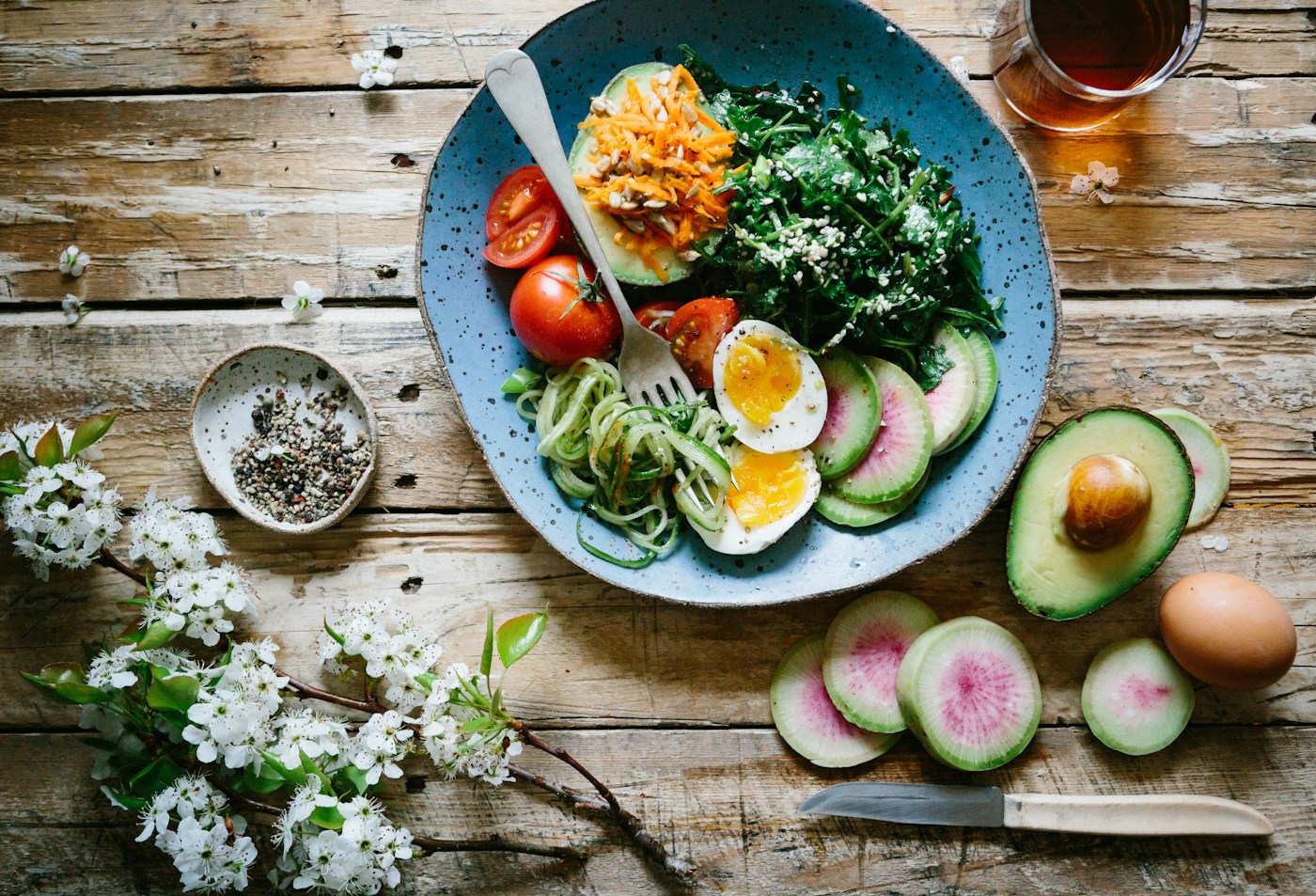
Chronic low-grade inflammation is a genuine contributor to joint pain, hormonal imbalance, fatigue, and brain fog. For women specifically, it plays a significant role in PCOS, endometriosis, and perimenopause symptoms. What you eat three times a day is one of the most powerful levers you hold. The best news: the most anti-inflammatory foods are genuinely delicious.
The ten foods
1. Extra virgin olive oil
Cold-pressed EVOO contains oleocanthal, which inhibits the same inflammatory enzymes targeted by ibuprofen — through daily dietary use. Use it generously on everything.
2. Wild salmon
Omega-3 fatty acids EPA and DHA directly suppress pro-inflammatory cytokine production. Two servings per week is the evidence-backed sweet spot.
3. Turmeric with black pepper
Curcumin is potently anti-inflammatory, but its bioavailability is poor without piperine. Always combine with black pepper. Piperine increases absorption by up to 2,000%.
4. Dark leafy greens
Spinach, kale, rocket — dense with vitamin K, folate, and antioxidants that reduce oxidative stress. Wilted in olive oil with garlic takes four minutes and tastes excellent.
5. Berries
Packed with anthocyanins — potent anti-inflammatory compounds. Frozen berries retain near-identical nutrition and are far more economical year-round.
6. Ginger
Gingerols and shogaols reduce muscle soreness and joint pain measurably. Fresh ginger in hot water with lemon is effective and genuinely enjoyable.
7. Walnuts
The only nut with meaningful plant-based omega-3 content (ALA), plus polyphenols that support gut microbiome diversity — central to systemic inflammation control.
8. Green tea
EGCG, the primary catechin in green tea, is among the most researched plant compounds for inflammation reduction. Two to three cups daily provides a meaningful dose.
9. Cooked tomatoes
Cooking increases lycopene bioavailability — an antioxidant addressing cardiovascular and hormonal inflammation. Slow-cooked sauces and passata are excellent.
10. Fermented foods
Kefir, kimchi, sauerkraut, and live-culture yoghurt feed the gut microbiome, which regulates a significant portion of the body's immune and inflammatory response.
"The goal is not a perfect diet. It is a diet that, across thousands of meals over your lifetime, consistently tilts the inflammatory balance in your favour."
Ready to put this into practice?
Try EvoBody free for 14 days — every programme, every recipe, all three coaches.
Claim My $0.99 Trial